Beyond the Diagnosis: Living Victorious with PCOS 

PCOS is one acronym you’ve probably heard of because of its resonation in the world of women’s health. Polycystic ovarian syndrome (PCOS) is one of the most common hormonal disorders among U.S. women of reproductive age. If you’re curious to delve deeper into the intricacies of PCOS or seeking empowerment following your diagnosis, you’ve landed on the right page!

What is PCOS?

Polycystic ovarian syndrome is a condition that affects approximately 5 million women in the United States. Typically, women produce small amounts of a “male” hormone called androgens. However, PCOS is when there is an excess of androgens. While the exact cause of this hormonal balance is unknown, family history of PCOS or diabetes, insulin resistance, and being overweight are associated with PCOS. Many women with PCOS have ovarian cysts. However, it is important to note that the presence of ovarian cysts alone does not determine PCOS diagnosis. Women with PCOS may experience irregular or absent menstrual periods, along with symptoms such as excessive body hair growth and changes in acne patterns.ibid In terms of treatment options, your provider may prescribe you medications that lessen acne and hair growth, as well as medicine that promotes ovulation to help regulate your menstrual cycle.

Living Empowered With PCOS

While receiving a diagnosis of PCOS can be overwhelming, it’s important to know that living a fulfilling and healthy life with PCOS is entirely within reach! Here is your guide to get started!

  1. Manage your diet. If you are living with PCOS, it is important to reduce your intake of carbohydrates and foods high in sugar. Managing your diet can start with small changes, such as opting for brown rice instead of white, or swapping out a can of soda for a glass of water. 
  1. Incorporate physical activity. Do not be afraid, you do not need a gym membership or vigorous exercise routines to have a lasting impact on your health. Set aside at least twenty minutes of your day and walk a few times around your block. This is a great routine if you have limited time and resources!
  2. Get tested for Type 2 Diabetes. Many women with PCOS also have insulin resistance, a hallmark of Type 2 Diabetes.2 Managing diabetes may improve your PCOS symptoms. Speak with your provider and advocate for Type 2 Diabetes screening.
  3. Explore your resources. Learn more about resources available for women with PCOS through non-profit organizations such as PCOS Challenge. Joining a community of those with the same diagnosis can offer an avenue of support and upliftment. 

The recommendations above are a great starting point for managing your PCOS. Schedule an appointment with us for PCOS screening and comprehensive PCOS management from diabetes screening to medically managed weight loss!

Endocrine Society.”Polycystic Ovary Syndrome | Endocrine Society.” Endocrine.org, Endocrine Society, 7 July 2023, https://www.endocrine.org/patient-engagement/endocrine-library/pcos#

 PCOS (Polycystic Ovary Syndrome) and Diabetes. Centers for Disease Control and Prevention. Published March 24, 2020. Accessed July 8, 2023. https://www.cdc.gov/diabetes/basics/pcos.html

Z. Gunja, Evan D. Gumas, and Reginald D. Williams II, “The U.S. Maternal Mortality Crisis Continues to Worsen: An International Comparison,” To the Point (blog), Commonwealth Fund, Dec. 1, 2022. https://doi.org/10.26099/8vem-fc65

Multiple Pregnancy. Accessed June 23, 2023. https://www.acog.org/en/womens-health/faqs/multiple-pregnancy

About Dr. Peggy Roberts:

Dr. Peggy Roberts is a board certified, New York licensed Women’s Health Nurse Practitioner. She has spent over a decade caring for women of all ages. She has extensive experience in preventative medicine for women, high-risk pregnancies, other medicine and aesthetics.

Media Contact:

Lana Schupbach
Autumn Lane Productions
[email protected]
516-331-1461

The Black Maternal Health Crisis: Understanding Preeclampsia and Eclampsia 

The United States has the highest maternal mortality rates compared to other developed nations. As many know, Black women face the brunt of this issue. Black women experience a threefold higher risk of mortality due to pregnancy-related causes compared to their White counterparts. Even more disheartening, approximately 80% of pregnancy-related deaths are preventable. Olympian medalist Torie Bowie is one of the latest victims of maternal mortality. Autopsies reveal Bowie most likely died of eclampsia. Continue reading to get a better understanding of eclampsia and its antecedent, preeclampsia.

What is preeclampsia and eclampsia?

Preeclampsia is a blood pressure disorder that impacts several organs with typical onset after 20 weeks of pregnancy. Hallmarks of preeclampsia may include swelling of the face and hands, persistent headache, seeing spots or changes in vision, and difficulty breathing. More severe symptoms may develop which may include high blood pressure and changes in kidney or liver function.  When preeclampsia progresses and leads to seizures, it is referred to as eclampsia. Women with previously diagnosed preeclampsia, diabetes, kidney disease, autoimmune disease, or carrying multiple fetuses (e.g. twins or triplets) are at higher risk of disease.4 A provider may diagnose a patient with preeclampsia after assessment of blood pressure, urine protein, and blood platelet count.

I have preeclampsia, now what?

Preeclampsia is a serious condition and should be managed under the direction of a provider. However, do not be dismayed! Alongside your provider’s treatment plan, there are various opportunities to take ownership of your health. Investing in a blood pressure machine is a simple yet effective way to stay on top of your blood pressure readings. Taking blood pressure readings daily in the comfort of your home is a great way to recognize any sudden changes in pressure. Starting low-dose aspirin at approximately 12-16 weeks of pregnancy has been shown to decrease your risk or delay the onset of preeclampsia… Most importantly, be in tune with your body! If you feel your symptoms are worsening, do not delay the visit to your healthcare provider!

In the midst of managing preeclampsia, it is important to have a trusted provider. At Trust Women’s Healthcare, you can put your confidence in our patient care team to provide you with quality care. Schedule an appointment with us to assist in managing your prenatal health!

Olympic Gold-Medalist, Torie Bowie. Source: Matthias Hangst/Getty Images

 Munira Z. Gunja, Evan D. Gumas, and Reginald D. Williams II, “The U.S. Maternal Mortality Crisis Continues to Worsen: An International Comparison,” To the Point (blog), Commonwealth Fund, Dec. 1, 2022. https://doi.org/10.26099/8vem-fc65

Working Together to Reduce Black Maternal Mortality | Health Equity Features | CDC. Published April 27, 2023. Accessed June 23, 2023. https://www.cdc.gov/healthequity/features/maternal-mortality/index.html

Chappell B. Tori Bowie, an elite Olympic athlete, died of complications from childbirth. NPR. https://www.npr.org/2023/06/13/1181971448/tori-bowie-an-elite-olympic-athlete-died-of-complications-from-childbirth. Published June 13, 2023. Accessed June 23, 2023.

Preeclampsia and High Blood Pressure During Pregnancy. Accessed June 23, 2023. https://www.acog.org/en/womens-health/faqs/preeclampsia-and-high-blood-pressure-during-pregnancy

Multiple Pregnancy. Accessed June 23, 2023. https://www.acog.org/en/womens-health/faqs/multiple-pregnancy

About Dr. Peggy Roberts:

Dr. Peggy Roberts is a board certified, New York licensed Women’s Health Nurse Practitioner. She has spent over a decade caring for women of all ages. She has extensive experience in preventative medicine for women, high-risk pregnancies, other medicine and aesthetics.

Media Contact:

Lana Schupbach
Autumn Lane Productions
[email protected]
516-331-1461
Bacterial Vaginosis Versus Yeast Infection: What is the difference between the two?

As summer is approaching, some of us may experience changes in our vaginal health. The most common vaginal conditions among my patients are bacterial vaginosis and yeast infections. While these conditions may result from sexual activity, this is not always the case! These conditions may arise from an interplay of external factors such as poor hygiene, or may result from internal factors such as a weakened immune system. Below you will find a description of the two conditions as well as tips for optimal vaginal health!

What is bacterial vaginosis?

Bacterial vaginosis (BV) takes the lead as the primary culprit behind vaginal symptoms among women ages 15-44. Bacterial vaginosis is when there is an imbalance of “good” versus “harmful” vaginal bacteria. Douching, not using condoms, and having multiple sex partners may increase your risk of BV. Symptoms of BV may include thin white or gray discharge, burning or itching sensations including during urination, or strong fishy odors. However, many women may have BV without experiencing any of these symptoms. A provider may obtain a vaginal culture to diagnose the presence of BV. Upon diagnosis, BV can be cured with prescribed antibiotics. Lack of treatment may increase your susceptibility to other sexually transmitted infections such as gonorrhea and chlamydia.

What is a yeast infection?

Among U.S. women, yeast infections are the second most common type of vaginal infection after bacterial vaginosis. Yeast infections, scientifically known as “vaginal candidiasis,” is a condition caused by Candida, a yeast-like fungus. Candida is normally present throughout the body. However, an overgrowth may cause symptoms which include vaginal itching and soreness, pain during sexual intercourse or urination, and abnormal discharge. Women who are pregnant, use oral contraceptives or antibiotics, or have been diagnosed with diabetes or a weakened immune system are at greater risk of developing a yeast infection. Similarly to bacterial vaginosis, a provider may obtain a vaginal culture to diagnose the presence of Candida. Oftentimes, yeast infections are treated with antifungal medication.

Tips for Optimal Vaginal Health

Now that you have a better understanding of BV and yeast infections, here are some tips to help maintain your vaginal health: 

  1. Take care of your overall health. Some of us may forget the fact that eating healthy, drinking water, and exercising can have a positive impact on vaginal health. 
  2. Avoid scented products and douching, opt for warm water instead. Feminine hygiene products and douching may disrupt your pH balance which can cause overgrowth of bacteria or Candida. The vagina is a self-cleaning organ, so using warm water is sufficient! 
  3. Use cotton underwear. Cotton is a good material because it prevents excess moisture, making the environment less suitable for bacteria and Candida to thrive.
  4. Be sexually responsible. Limiting the number of sexual partners, using condoms, and getting frequent STD screenings are good preventive measures to ensure the protection of your vaginal health.

While these tips are great preventative measures, additional individual environmental and lifestyle factors can contribute to your risk of contracting BV or yeast infection. Schedule an appointment with us to discuss your personal risk factors or any of your vaginal health concerns. 

CDC – Bacterial Vaginosis Statistics. Published May 6, 2021. Accessed June 19, 2023. https://www.cdc.gov/std/bv/stats.htm 
STD Facts – Bacterial Vaginosis. Published June 2, 2022. Accessed June 19, 2023. https://www.cdc.gov/std/bv/stdfact-bacterial-vaginosis.htm Learn More About Vaginal Candidiasis (vaginal yeast infections). Centers for Disease Control and Prevention. Published July 13, 2022. Accessed June 19, 2023. https://www.cdc.gov/fungal/diseases/candidiasis/genital/index.html

About Dr. Peggy Roberts:

Dr. Peggy Roberts is a board certified, New York licensed Women’s Health Nurse Practitioner. She has spent over a decade caring for women of all ages. She has extensive experience in preventative medicine for women, high-risk pregnancies, other medicine and aesthetics.

Media Contact:

Lana Schupbach
Autumn Lane Productions
[email protected]
516-331-1461

Black Female Doctor Takes Action Against Racial Disparities in Women’s Healthcare

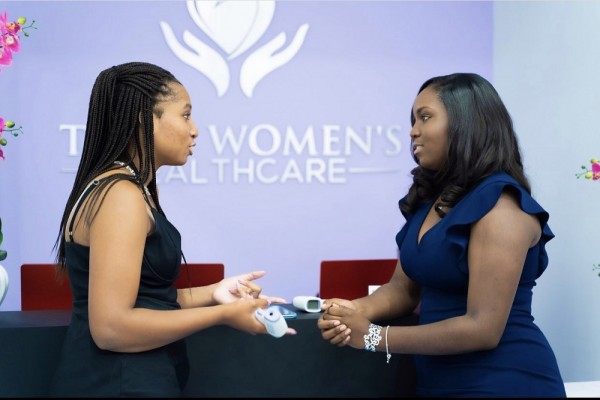
In early June, an intimate circle of family, friends, patients and the local community gathered for the soft opening of Trust Women’s Healthcare, located in the Bedford Stuyvesant neighborhood of Brooklyn, NY. 

Founder and Brooklyn native, Dr. Peggy Roberts, is passionate and dedicated to addressing the growing epidemic of women experiencing health complications.

Board-certified and NY-licensed Nurse Health Practitioner Dr. Peggy Roberts believes that all women of all ages and socio-economic backgrounds deserve a healthcare experience where all of their needs and concerns are understood and met. Dr. Roberts’ vision is to “put the trust back into women’s health” and to “address the racial disparities within women’s health by providing access to care”.  After years of long-lasting patient relationships and successfully providing obstetric, gynecologic and aesthetic care for women, Dr. Roberts formed a team of competent and certified women’s health providers who strive to provide compassionate and peerless care to women. 

Women of all ages can expect a specialized and trustworthy healthcare experience at Trust Women’s Healthcare that provides comprehensive and holistic care, while offering a range of services to meet their unique needs, including but not limited to: Gynecology, Imaging & ultrasound, Menopause, Fertility & genetics, and Aesthetic Medicine (Botox, Fillers, Threadlifts) to name a few.

New patients can expect a unique and tailored healthcare experience that features modern medical techniques and treatments.  Trust Women’s Healthcare doctors and medical professionals use state-of-the-art medical equipment to perform tests and treatments. Dr. Roberts and Trust Women’s Healthcare’s goal is to educate, elevate and empower women to make the best-informed decisions regarding their health and wellness. Their ability to offer comprehensive care to treat both everyday and chronic health conditions will make Trust Women’s Healthcare the preferred women’s healthcare practice in Brooklyn and the greater New York communities.

Trust Women’s Healthcare is open and accepting new patients. Dr. Roberts and her expert team of medical professionals are ready to provide an exceptional healthcare experience to women of all ages.

Visit www.trustwomenshealthcare.com for more information and to schedule an appointment today. Stay connected with Dr. Roberts and Trust Women’s Healthcare on Facebook & Instagram: @trustwomenshealthcare

About Dr. Peggy Roberts:

Dr. Peggy Roberts is a board certified, New York licensed Women’s Health Nurse Practitioner. She has spent over a decade caring for women of all ages. She has extensive experience in preventative medicine for women, high-risk pregnancies, other medicine and aesthetics.

Media Contact:

Lana Schupbach

Autumn Lane Productions

[email protected]

516-331-1461

Submission received, thank you!

Close Window